
When people need a reliable car garage, plumber, electrician, cleaning professional, or home repair specialist, they often want to know one thing before making a booking: can they trust the provider?
Online reviews help answer that question. They give potential customers an opportunity to learn from other people's experiences before choosing a local business. For service providers, genuine customer feedback can help establish credibility, highlight strengths, and reveal opportunities to improve.
Today, local businesses compete not only through their prices and services but also through the confidence they create online. A professional website and clear service descriptions are important, but customer experiences can influence whether someone decides to make an enquiry or looks for another provider.
In this guide, we explain why online reviews matter for local service providers, how they can influence customer decisions, and what businesses can do to build a stronger online reputation.
What Are Online Reviews for Local Service Providers?
Online reviews are comments, ratings, and feedback shared by customers about their experiences with a business or professional.
For local service providers, reviews may describe the quality of completed work, communication, punctuality, pricing transparency, and overall customer experience.
For example, someone looking for a car garage may want to know whether previous customers found the staff helpful, received clear repair estimates, and understood the work performed on their vehicles.
Similarly, a homeowner searching for a plumber may look for feedback about response times, workmanship, and whether the final charge matched the original estimate.
Reviews do not guarantee that every future experience will be the same. However, detailed and relevant feedback can help potential customers make more informed decisions.
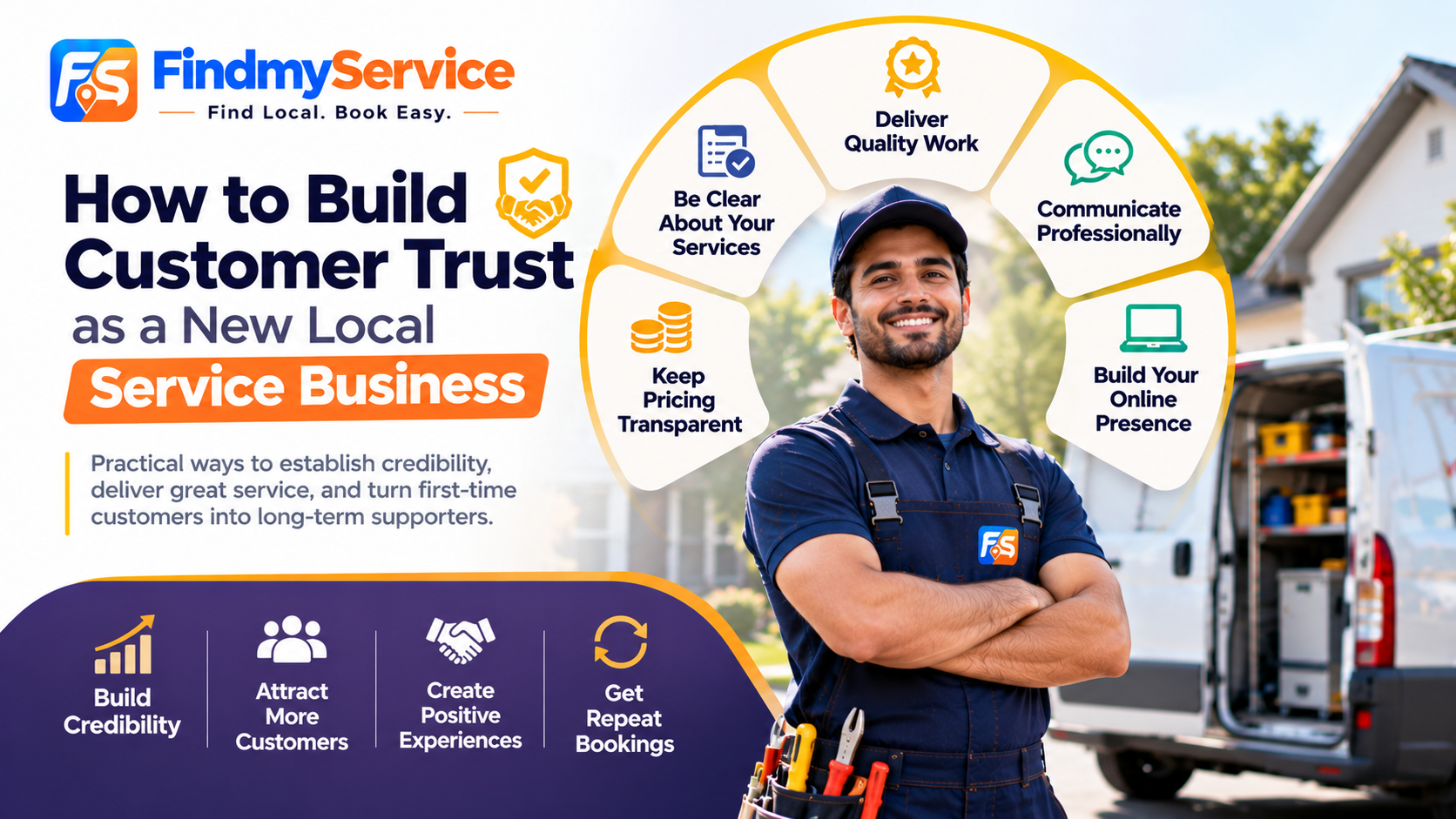
1. Online Reviews Help Build Customer Trust
Trust is particularly important when customers hire someone to work on their vehicle, enter their home, or handle an urgent repair.
Potential customers may not know a local service provider personally. They may have limited information about the business and may be comparing several options at the same time.
Genuine reviews can provide additional context about what working with a provider may be like.
Positive feedback that describes real experiences can help customers understand a business's strengths. Detailed comments about communication, workmanship, and professionalism are often more informative than a rating alone.
How service providers can build trust
Deliver the service that was agreed upon.
Explain pricing and additional charges clearly.
Communicate appointment times and delays.
Treat customers respectfully.
Resolve complaints professionally.
Encourage honest feedback after completed work.
Trust is built through consistent behaviour. Reviews can reflect that behaviour, but they cannot replace good service.
2. Reviews Can Influence Customer Decisions
Imagine a customer comparing three local garages. All three offer similar services, but one has detailed feedback about its repair process, communication, and customer experience.
That information may help the customer decide which garage is worth contacting first.
The same applies to plumbers, electricians, cleaners, vehicle recovery businesses, and other local professionals.
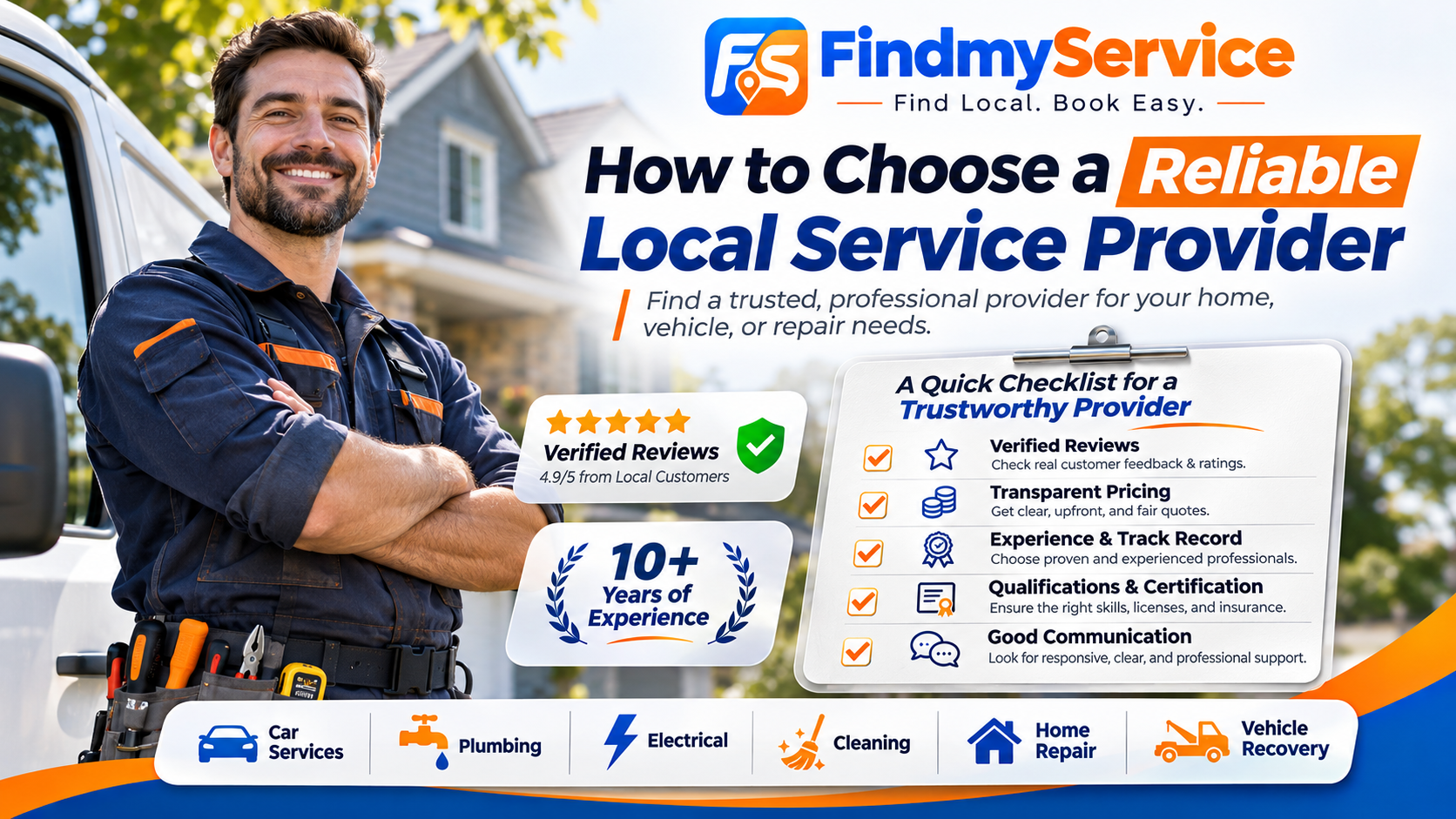
When evaluating providers, customers may consider:
Overall rating.
Number of reviews.
How recent the feedback is.
Whether reviews relate to the service they need.
Repeated comments about quality and reliability.
How the business responds to concerns.
A high rating can be encouraging, but it should not be the only factor. A small number of reviews may provide limited evidence, while a larger collection of detailed feedback may offer a broader view of customer experiences.
Businesses should focus on earning meaningful, honest reviews rather than simply trying to achieve the highest possible score.
3. Online Reviews Can Support Local Search Visibility
Online reviews can be part of a broader local search strategy. For eligible businesses, customer feedback on platforms such as Google may help potential customers evaluate a business when it appears in local search results.
However, reviews alone do not guarantee higher rankings. Search visibility depends on several factors, including relevance, distance, prominence, and the overall quality and accuracy of a business's online information.
Local service providers can support their online presence by maintaining accurate business details, clearly describing their services, updating their business profiles, and responding appropriately to customer feedback.
For example, a garage should ensure its business category, contact information, opening hours, and service descriptions are accurate.
A plumber or electrician should make it clear which services they provide and which areas they genuinely serve.
These steps help customers understand the business and make it easier for them to decide whether to get in touch.
4. Reviews Help Small Businesses Compete
Smaller service businesses may not have the marketing budgets of large companies or established franchises. Genuine customer feedback can help them demonstrate their strengths and build credibility.
A local electrician, independent mechanic, or family-run cleaning business may develop a strong reputation through consistent service and positive customer relationships.
Detailed reviews can help communicate qualities that are difficult to demonstrate through advertisements alone, such as clear communication, careful workmanship, and respectful customer service.
For smaller businesses, the goal should not be to collect reviews as quickly as possible. It should be to create positive customer experiences and make it easy for customers to share honest feedback.
Over time, a collection of genuine reviews can become a useful part of the business's online reputation.
5. Reviews Provide Valuable Feedback for Improvement
Online reviews are not only for attracting new customers. They can also help businesses identify what is working well and where improvements may be needed.
For example, repeated feedback about delayed appointments could indicate a scheduling problem. Comments about unclear estimates may suggest that pricing information needs to be explained more carefully.
Similarly, positive comments about helpful staff or convenient booking processes can highlight practices worth maintaining.
How to turn customer feedback into improvements
Look for patterns. One isolated complaint may not represent a broader problem, but repeated comments can reveal an issue worth investigating.
Listen without becoming defensive. Consider the substance of the feedback before responding.
Make practical changes. Improve communication, booking procedures, estimates, or follow-up processes where necessary.
Monitor future feedback. Check whether the changes improve the customer experience over time.
Share learning with your team. If several employees handle customer enquiries, make sure everyone understands the standards you want to maintain.
A thoughtful approach to reviews can help businesses improve their service quality as well as their reputation.
6. Responding to Reviews Shows Professionalism
Customers notice not only the reviews a business receives but also how it responds to them.
Professional responses can demonstrate that the business values feedback and takes customer concerns seriously.
How to respond to positive reviews
Keep the response friendly, specific, and concise. Thank the customer for sharing their experience and acknowledge the service they received.
For example:
"Thank you for your feedback. We appreciate you choosing our garage and are pleased to hear that you were happy with the service."
Avoid using identical promotional replies for every review. A natural response feels more personal and demonstrates genuine appreciation.
How to respond to negative reviews
A negative review can be difficult to receive, especially when a business believes the criticism is unfair. However, an angry or defensive public response may make the situation worse.
Instead:
Remain calm and professional.
Acknowledge the customer's concern.
Avoid sharing personal or confidential information.
Offer an appropriate way to discuss the issue privately.
Investigate the complaint before making assumptions.
Explain any resolution clearly when appropriate.
For example:
"Thank you for bringing this to our attention. We are sorry to hear that your experience did not meet expectations. We would appreciate the opportunity to understand what happened and discuss the matter with you directly."
Not every complaint will be resolved in the way a customer wants, but a respectful response can demonstrate that the business takes concerns seriously.
7. How to Encourage More Genuine Customer Reviews
Many satisfied customers do not leave reviews simply because they are busy or do not think to do so.
A straightforward request after completing a service can make it easier for customers to share their experiences.
Practical ways to request reviews
Ask at the right time. After a completed job, when the customer has had a reasonable opportunity to assess the service, invite them to share feedback.
Send a simple follow-up message. Include the appropriate review link and a polite request.
Make the process convenient. Avoid unnecessary steps that make leaving feedback difficult.
Ask for honest feedback. Customers should feel free to share their genuine opinions, whether positive or negative.
Train your team. Make sure staff know how to request reviews politely without pressuring customers.
For example, a service provider might send this message:
"Thank you for choosing our service. We appreciate your business. If you have a moment, we would be grateful if you could share an honest review of your experience using this link."
Do not purchase reviews, create fake customer accounts, or offer incentives in ways that violate a review platform's policies. Avoid selectively asking only customers expected to leave positive feedback where platform rules prohibit that practice.
A trustworthy review strategy starts with real customers and honest experiences.
8. Keep Your Online Reputation Consistent Across Platforms
Customers may encounter a business through Google Search, social media, local directories, industry websites, or service marketplaces.
Keeping important business information accurate across these channels helps reduce confusion.
Check that your business name, phone number, service descriptions, opening hours, and service area are consistent wherever you maintain a listing.
Also, review the feedback available across the platforms that matter most to your business. You do not need to monitor every website on the internet, but you should know where your customers are likely to find information about you.
If a platform allows businesses to reply to reviews, use that option when a response would be helpful.
Consistency supports a professional online presence and makes it easier for potential customers to verify basic information before contacting you.
9. Use Local Service Platforms to Increase Discoverability
Many customers use online platforms to explore service providers, compare options, and learn more about local businesses.
For service providers, relevant directories and marketplaces can offer an additional way to present their services to potential customers.
Before joining a platform, consider its audience, service categories, geographic coverage, listing requirements, and any fees or lead-generation terms.
Make sure your business information is accurate and that you understand how customer enquiries and bookings are handled.
Discover VANIZ FindMyService
VANIZ FindMyService aims to make local service discovery more straightforward by helping people explore service providers for their everyday needs.
For customers, finding relevant providers and reviewing the available information can help them narrow down their options. For service providers, relevant local platforms may offer another opportunity to present their services to people searching for assistance.
The value of any platform depends on its current features, audience, coverage, and provider arrangements. Service providers should review these details before deciding whether it fits their business.
Explore the platform at https://findmyservice.online/ to learn more about its approach to local service discovery.
10. Common Mistakes Businesses Should Avoid With Online Reviews
Building an online reputation takes time, and some shortcuts can damage customer trust.
Avoid these common mistakes:
Buying fake reviews: Artificial feedback can mislead customers and violate platform policies.
Ignoring all negative feedback: A professional response can help demonstrate that you take concerns seriously.
Arguing with customers publicly: Personal attacks and defensive replies may undermine your credibility.
Pressuring customers for positive ratings: Ask for honest feedback rather than a particular score.
Sharing private customer details: Protect confidentiality when responding to complaints.
Focusing only on star ratings: Detailed feedback and the underlying customer experience matter too.
Making unsupported claims: Never use reviews to suggest that every customer will receive the same result.
The most sustainable way to build a strong reputation is to deliver good service consistently and handle feedback responsibly.
11. A Simple Online Review Strategy for Local Service Providers
If you are new to review management, start with a few practical steps.
Step 1: Check your existing reviews. Identify the platforms where customers already discuss your business.
Step 2: Complete your business profiles. Make sure your contact information, services, and opening hours are accurate.
Step 3: Create a simple review request process. Decide when and how you will invite customers to share honest feedback.
Step 4: Respond consistently. Thank customers for useful feedback and handle concerns professionally.
Step 5: Review feedback regularly. Look for recurring issues and opportunities to improve the customer experience.
Step 6: Track useful outcomes. Monitor enquiries, customer comments, and repeat business to understand whether your efforts are helping.
You do not need a complicated reputation management system to begin. A consistent process and genuine commitment to customer satisfaction are a strong foundation.
Final Thoughts
Online reviews matter because they help potential customers understand what a local service provider may offer before making contact. They can support trust, influence decisions, provide useful feedback, and contribute to a business's broader online presence.
For local service businesses, the best approach is to focus on genuine customer experiences, encourage honest feedback, respond professionally, and make improvements when patterns reveal a problem.
Reviews are not a substitute for quality work, transparent pricing, or reliable communication. Instead, they help communicate the experience your business delivers.
Whether you run a garage, plumbing business, electrical service, cleaning company, or another local service, building a trustworthy online reputation can become an important part of your long-term growth strategy.
Want to explore local service discovery? Visit VANIZ FindMyService to learn more about the platform and its approach to connecting people with local services.